Rajae Khaled : Rédactrice en chef Maghreb Observateur

“Valleys, natural curiosities, fossilised footprints, engravings and authentic Berber villages”
Celebrating Earth Heritage

Marrakech, Azilal and Beni Mélal
Under the leadership of King Mohammed VI. The M’Goun UNESCO Global Geopark is located some 100 km from Marrakech and 330 km from Casablanca, in the middle of the chain of the central High Atlas. Its territory covers an area of medium to high mountains. The climate of the Atlas is Mediterranean with Atlantic influences. M’Goun UNESCO Global Geopark consists of two zones, one with high rainfall, of 600 to 900 mm per year and with temperatures between 35°C and 3°C and another characterized by lower rainfall of 400 to 700 mm per year, temperatures between 30°C and 0°C. The snowfall is common from November to May at altitudes above 1,500 m.
The geological history of the territory of the M’Goun UNESCO Global Geopark fits into the geological evolution of the central High Atlas dating back to the Triassic period, 250 million years ago, while the main stages took place during the Jurassic period, about 180 million years ago. The UNESCO Global Geopark includes geological structures in a NE-SW intra-continental chain resulting from a structural reversal of a Jurassic basin tied to the collision of the African and European plates. It includes famous and spectacular footprints of sauropod and theropod dinosaurs and many deposits of bones. The territory contains numerous minerals: Copper, zinc, barite, iron, basalt, limestone and dolomitic Triassic red clays. The M’Goun UNESCO Global Geopark consists of a large number of geosites and geological sites showing several large tectonic structures of the Atlas Mountains that sculpt the landscape.
Sustaining local Communities
The Regional Education Academy and the Sultan Moulay Slimane University of Beni Mellal joined the Board of the UNESCO Global Geopark in order to have all the facilities to conduct effective programs. Similarly, the Association of Teachers of Life and Earth Sciences, very active in the territory and the Regional Direction of Water and Forests have always served on the Board of the UNESCO Global Geopark and lead interesting environmental educational activities. The M’Goun UNESCO Global Geopark was elected unanimously for the 2023 edition, the area of geo-biodiversity – development. The various components of the UNESCO Global Geopark are elements of attraction and development of responsible mountain tourism at large and geo-ecotourism in particular. The georoutes and the geotopes allow visitors to visit the entire territory and to visit for longer period of time, which will only be of benefit to local people.
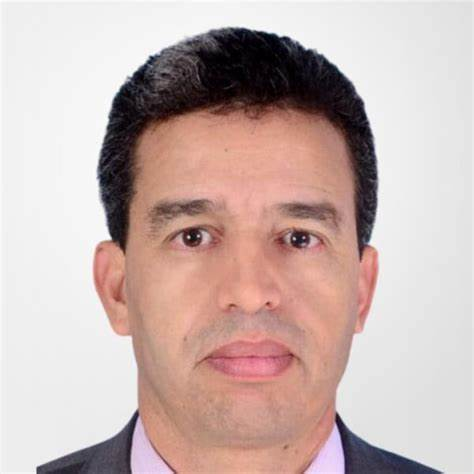
President of the M’Goun UNESCO Global Geopark Association Driss Achbal thanked the members of the GGN Executive Board and the Advisory Committee for their support and confidence in Geoprac M’Goun’s candidacy. Morocco was the only country that ran for hosting the conference from the African continent and the Arab world.
“Morocco is a country of hospitality, cohabitation, and tolerance,” said Achbal, highlighting the country’s “civilization of more than 12 centuries.” The M’Goun president also insisted on the “modern and prosperous” nature of the North African country and that it “ensures the preservation of its human values and its tangible and intangible heritage under the leadership of King Mohammed VI.”
Contact
- E-mail: geoparc_mgoun@yahoo.fr(link sends e-mail)
- Website : Géoparc Unesco du M’Goun – Maroc (geoparc-mgoun.ma)
Official representative
- Salah Hamzaoui (Président du Conseil Régional Tadla Azilal)
email: hamzaouisalah@menara.ma(link sends e-mail), - Mohammed Boutakyout (Director)
email: hmboutakiout@gmail.com(link sends e-mail)